astronomy
-
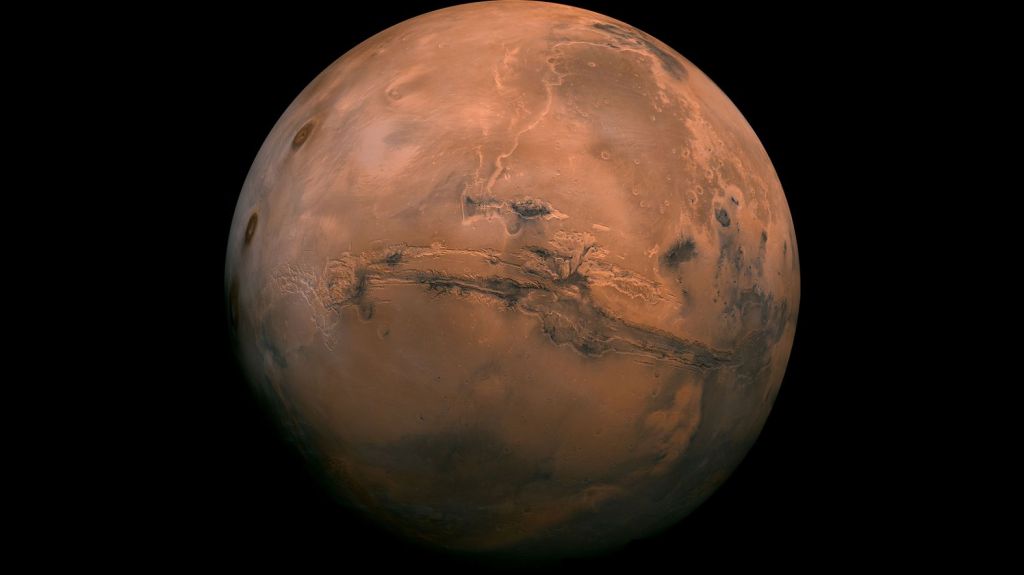
Breakthroughs of 2025: Astrobiology: Searching for Life on Mars
Did NASA’s Perseverance Rover Discover Signs of Ancient Life on Mars? In 2025, one of the most exciting moments in astrobiology came from NASA’s Perseverance rover as it continued exploring Mars. While studying Jezero Crater, a region that once contained… Continue reading
-
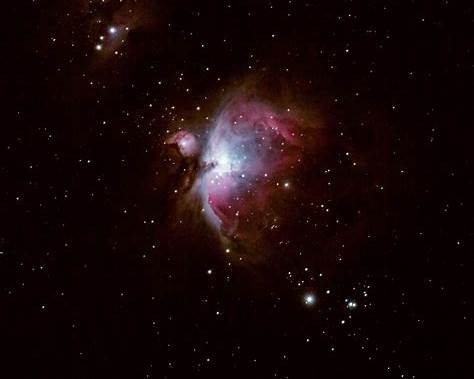
Capturing the Orion Nebula (M42): A Stellar Nursery Close to Home
This Thanksgiving, I used my Celestron Origin Mark II home observatory system to photograph one of the most beautiful objects in the winter sky, the Orion Nebula. The image reveals the bright, glowing core of M42, a region filled with… Continue reading
-
First Light with My Celestron Origin Mark II: The Andromeda Galaxy
I’m beyond excited to share the very first image taken with my brand-new Celestron Origin Mark II telescope! ✨ Behold — the Andromeda Galaxy (M31), our nearest spiral galaxy neighbor, located about 2.5 million light-years away. It’s incredible to think… Continue reading

-
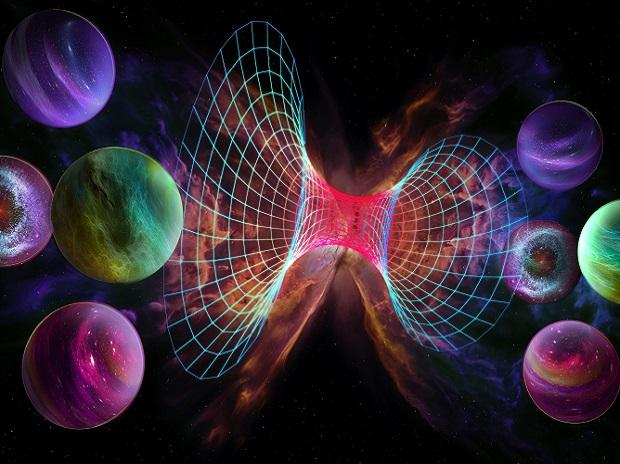
What Came Before the Big Bang?
This post is based on a project that I completed and presented during the Columbia University Pre-College Program in the summer of 2025, under the guidance of Dr. Paul M. Sutter. The goal of the project was to explore one… Continue reading
-
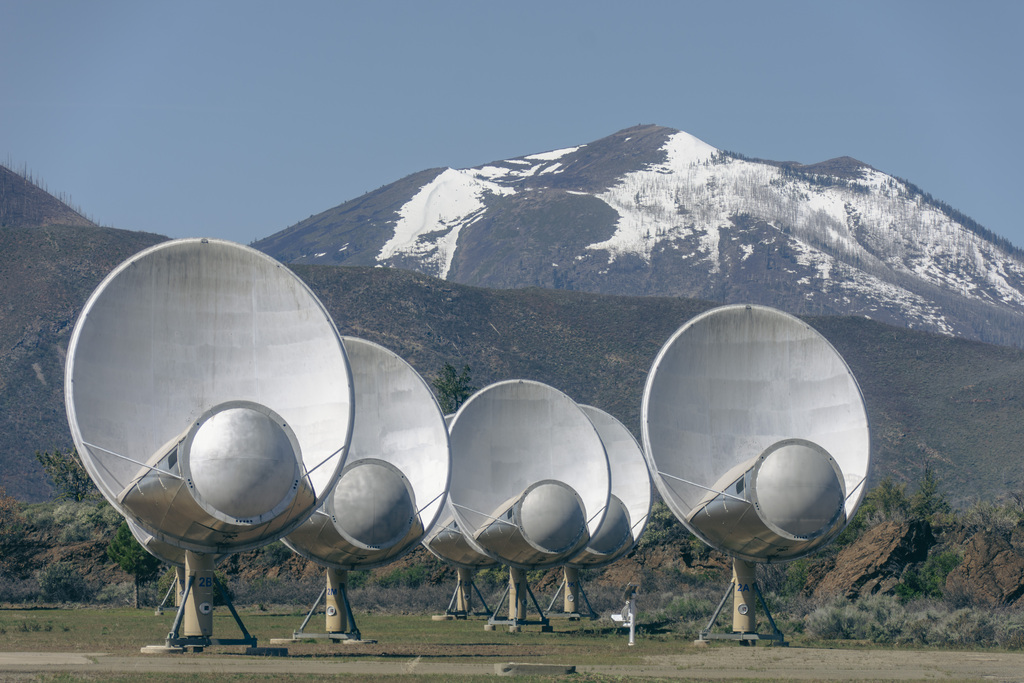
S.E.T.I: The Search for Extraterrestrial Intelligence
This summer at Harvard University Summer School, in my course Planets, Moons, and Their Stars: The Search for Life in the Cosmos with Prof. Dr. Alessandro Massarotti, I chose to focus my final research project on one of the most… Continue reading
-
Book Review: Jeffrey Bennet’s Life in the Universe
While working on my Harvard Summer School project about the Search for Extraterrestrial Intelligence (SETI) in Prof. Massarotti’s class Planets, Moons, and Their Stars: The Search for Life in the Cosmos, I read Life in the Universe, 5th Edition by… Continue reading

-
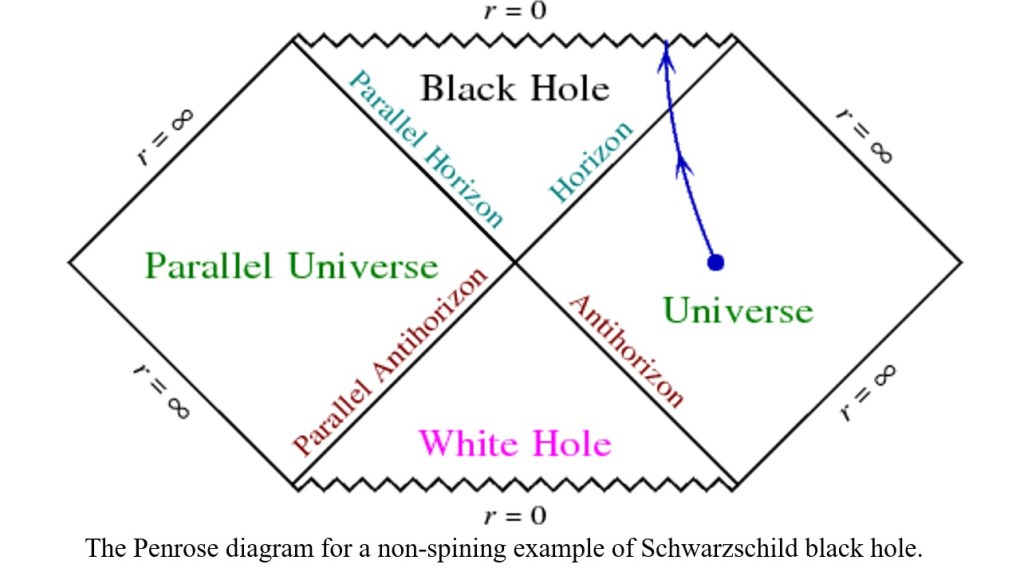
WHITE HOLES: From Black Holes to White Holes: A Quantum Rebirth of the Universe
This summer at Harvard University Summer School, I had the chance to study A Short Tour of the Universe Guided by Einstein and Others with Prof. Dr. Arvind Borde. For my project, I chose to focus on white holes, which… Continue reading
-
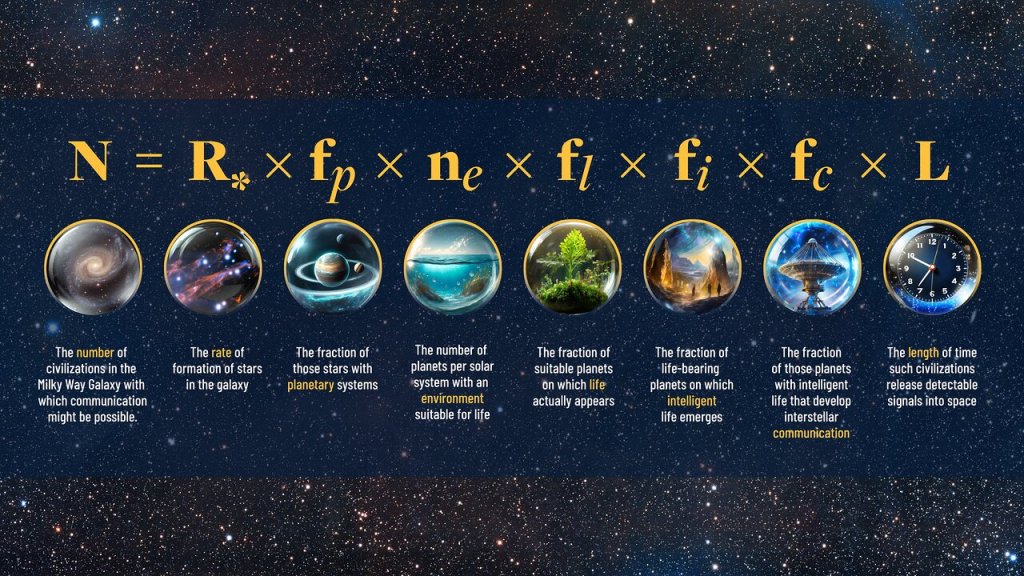
Where is Everybody? The Drake Equation
The Drake Equation is a probabilistic formula developed by astronomer Frank Drake in 1961 to estimate the number of active, communicative extraterrestrial civilizations in the Milky Way galaxy. Rather than providing a definitive answer, the equation serves as a framework… Continue reading
-
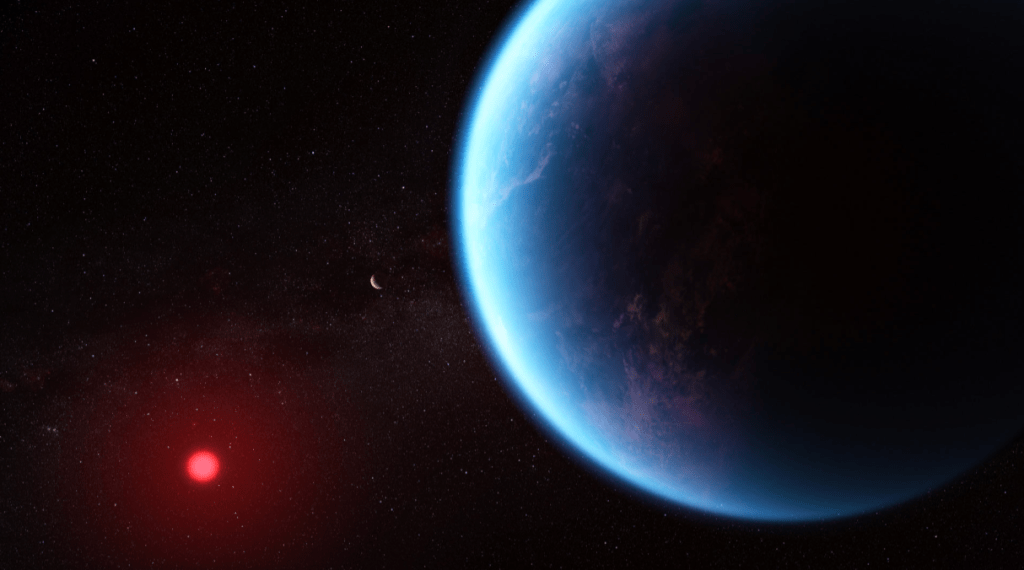
K2-18b
Roughly 124 light-years away in the Leo constellation lies K2-18b, a distant world first identified in 2015 through data from NASA’s Kepler Space Telescope. This exoplanet orbits a cool red dwarf star, K2-18, within its habitable zone, where conditions might… Continue reading
-
What Type of Life Could be on Exoplanets?
The discovery of exoplanets—planets orbiting stars beyond our solar system—has expanded our understanding of the potential diversity of life in the universe. While Earth-like conditions are often considered ideal for life, the vast array of exoplanetary environments suggests that life,… Continue reading

 SCIENCE WITH LARA