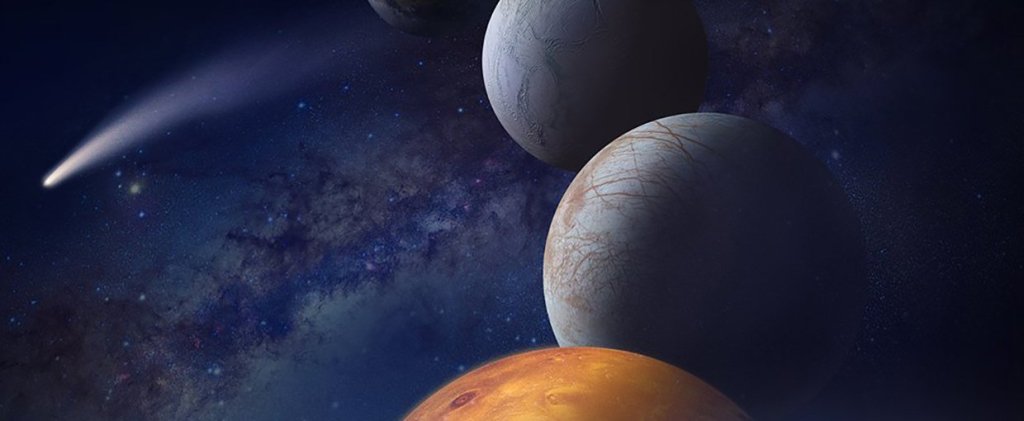
exoplanet
-
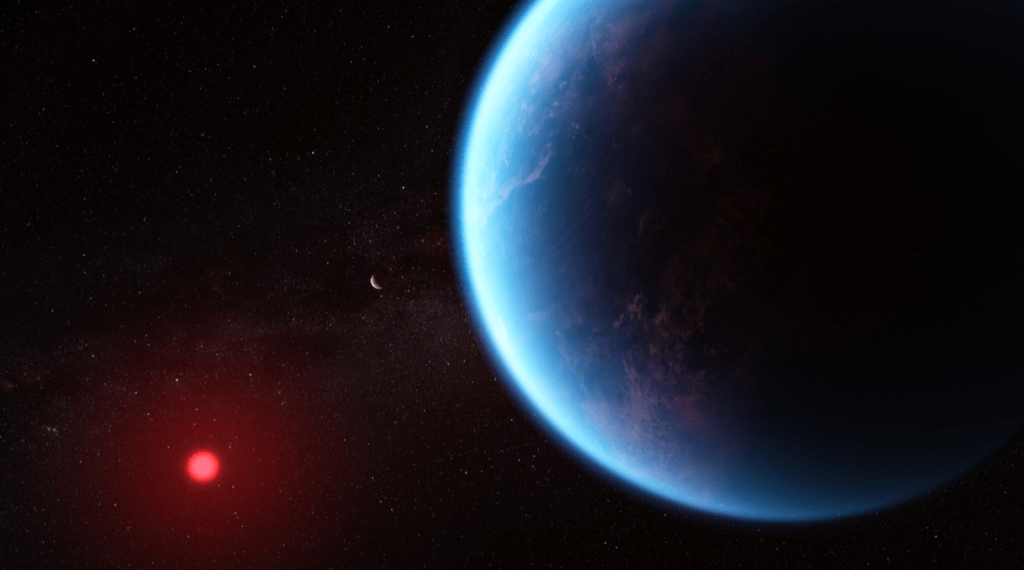
K2-18b
Roughly 124 light-years away in the Leo constellation lies K2-18b, a distant world first identified in 2015 through data from NASA’s Kepler Space Telescope. This exoplanet orbits a cool red dwarf star, K2-18, within its habitable zone, where conditions might… Continue reading
-
What Type of Life Could be on Exoplanets?
The discovery of exoplanets—planets orbiting stars beyond our solar system—has expanded our understanding of the potential diversity of life in the universe. While Earth-like conditions are often considered ideal for life, the vast array of exoplanetary environments suggests that life,… Continue reading

-
Book Review: The Secret Life of the Universe by Nathalie A. Cabrol
In The Secret Life of the Universe, astrobiologist Nathalie A. Cabrol takes readers on an exciting journey to explore the possibility of life beyond Earth. She explains how life may have started here and what that tells us about where… Continue reading

-
The Search for Exoplanet Biosignatures
Oxygen (O₂) and Ozone (O₃): On Earth, oxygen is produced primarily by photosynthesis. A high level of oxygen in an exoplanet’s atmosphere, especially alongside methane, could indicate biological processes. Methane (CH₄): Methane is rapidly destroyed by ultraviolet radiation, so a… Continue reading