astronomy
-
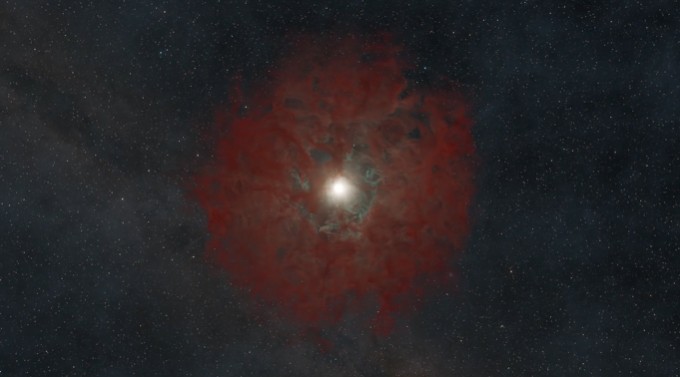
A Star Disappears: New Black Hole Insights from the Simons Foundation’s Flatiron Institute
What if a massive star simply vanished? Not in a brilliant supernova explosion.Not in a cosmic blaze of glory.But quietly. Astronomers have just witnessed exactly that. A team led by Kishalay De at the Simons Foundation’s Flatiron Institute discovered that… Continue reading
-
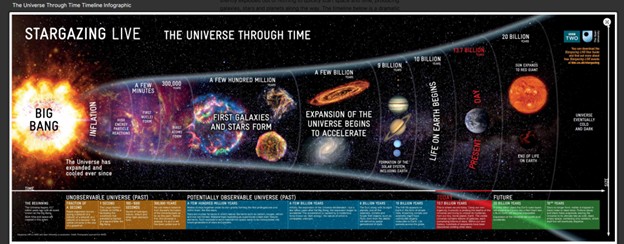
When the Lights Go Out: A Timeline to the End of the Universe
When we look up at the night sky, it feels eternal. The stars seem steady and permanent, as if they have always been there and always will be. But cosmology tells a very different story. Scientists have outlined a possible… Continue reading
-
What If Alien Life Doesn’t Look Like Life?
When scientists search for life beyond Earth, they usually look for things that resemble life here. For example, oxygen in a planet’s atmosphere is exciting because plants on Earth produce oxygen. Liquid water is important because all known life depends… Continue reading
-
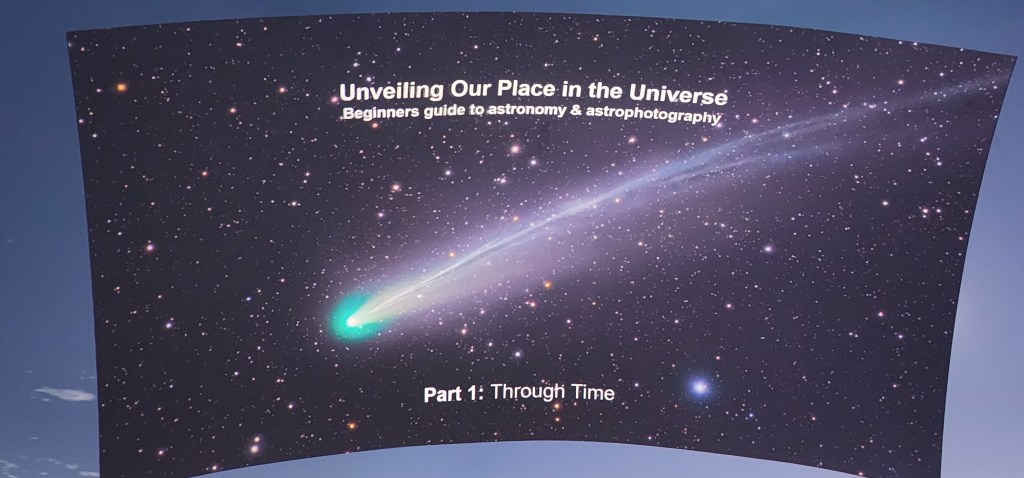
Astronomy Night Out: Seeing the Universe Through My Own Lens
On February 10, I attended Astronomy Night Out at the Chabot Space and Science Center, an evening dedicated to exploring astronomy through astrophotography. After dinner, we experienced a planetarium presentation titled Our Place in the Universe, which illustrated Earth’s position… Continue reading
-
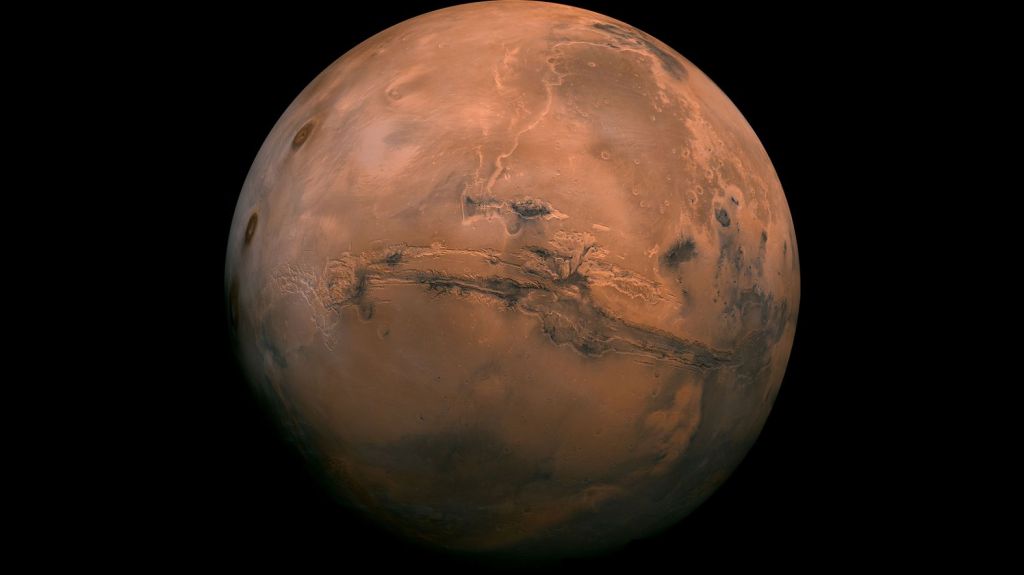
Breakthroughs of 2025: Astrobiology: Searching for Life on Mars
Did NASA’s Perseverance Rover Discover Signs of Ancient Life on Mars? In 2025, one of the most exciting moments in astrobiology came from NASA’s Perseverance rover as it continued exploring Mars. While studying Jezero Crater, a region that once contained… Continue reading
-
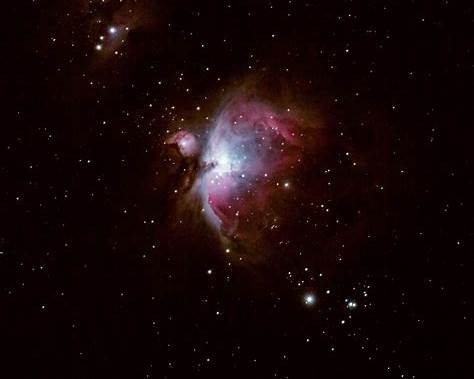
Capturing the Orion Nebula (M42): A Stellar Nursery Close to Home
This Thanksgiving, I used my Celestron Origin Mark II home observatory system to photograph one of the most beautiful objects in the winter sky, the Orion Nebula. The image reveals the bright, glowing core of M42, a region filled with… Continue reading
-
First Light with My Celestron Origin Mark II: The Andromeda Galaxy
I’m beyond excited to share the very first image taken with my brand-new Celestron Origin Mark II telescope! ✨ Behold — the Andromeda Galaxy (M31), our nearest spiral galaxy neighbor, located about 2.5 million light-years away. It’s incredible to think… Continue reading

-
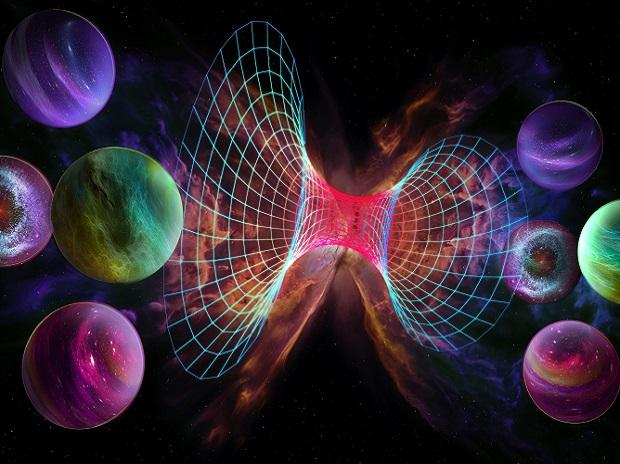
What Came Before the Big Bang?
This post is based on a project that I completed and presented during the Columbia University Pre-College Program in the summer of 2025, under the guidance of Dr. Paul M. Sutter. The goal of the project was to explore one… Continue reading
-
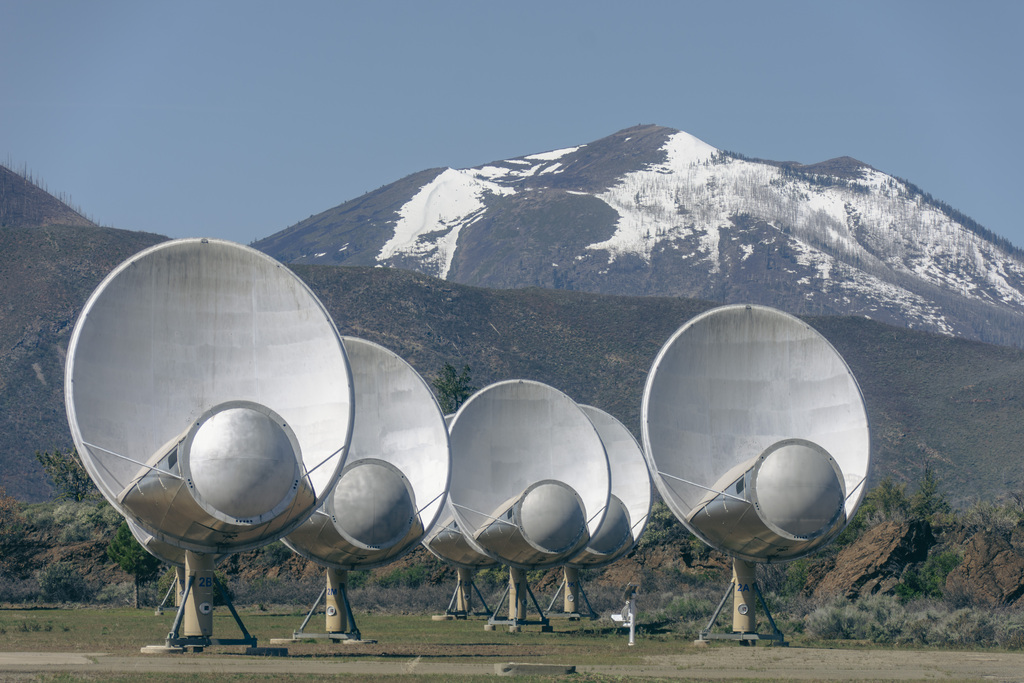
S.E.T.I: The Search for Extraterrestrial Intelligence
This summer at Harvard University Summer School, in my course Planets, Moons, and Their Stars: The Search for Life in the Cosmos with Prof. Dr. Alessandro Massarotti, I chose to focus my final research project on one of the most… Continue reading
-
Book Review: Jeffrey Bennet’s Life in the Universe
While working on my Harvard Summer School project about the Search for Extraterrestrial Intelligence (SETI) in Prof. Massarotti’s class Planets, Moons, and Their Stars: The Search for Life in the Cosmos, I read Life in the Universe, 5th Edition by… Continue reading

 SCIENCE WITH LARA