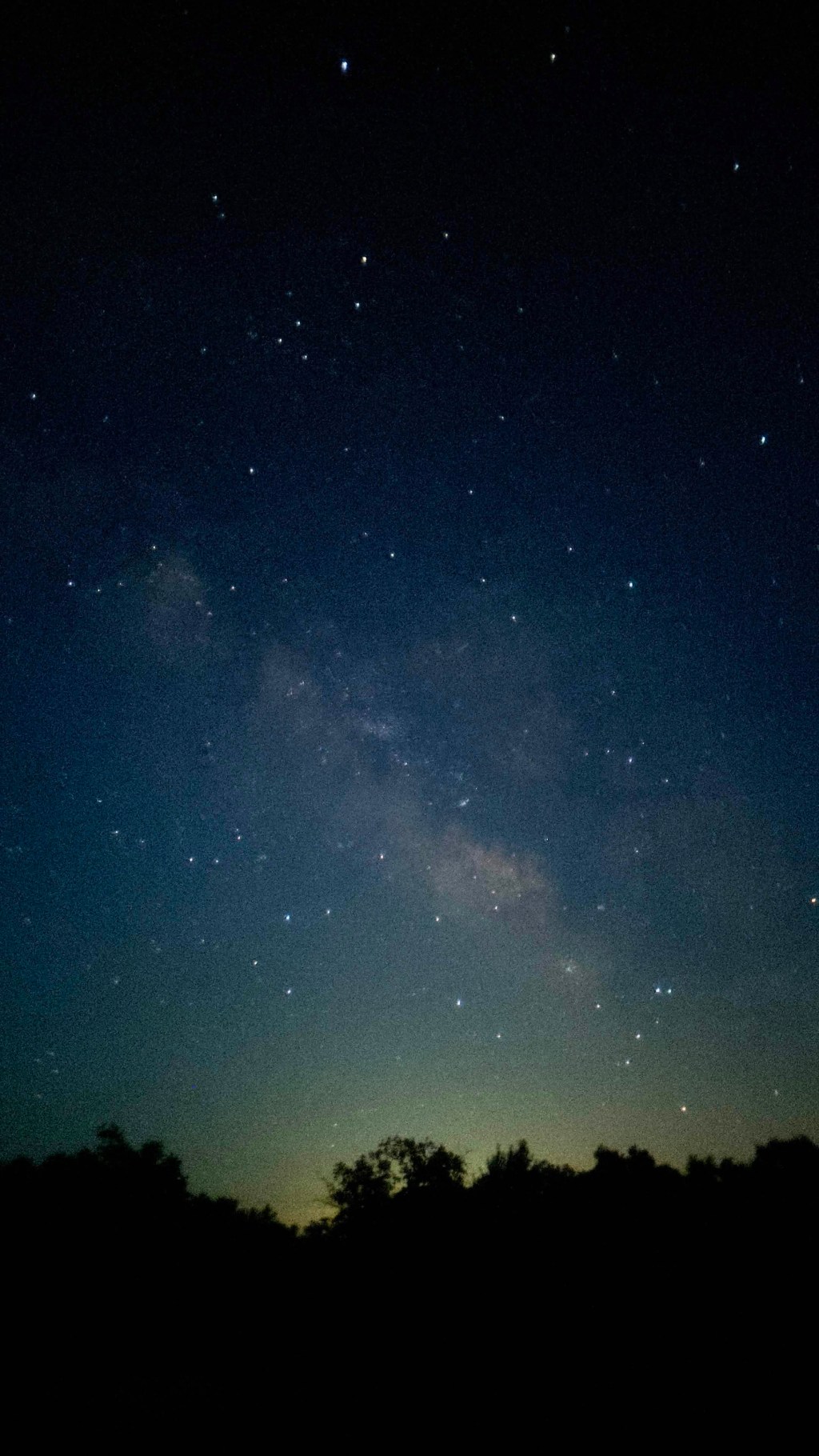
I recently had the opportunity to visit Dye Creek Preserve in Northern California, where I experienced something that is becoming increasingly difficult to find: a truly dark night sky.
Away from the bright lights of cities and neighborhoods, the difference was incredible. As my eyes adjusted to the darkness, thousands of stars became visible, and the Milky Way stretched across the sky as a faint, glowing band. Seeing it with my own eyes was amazing, but I was especially excited to photograph it.
I set up my camera under the dark sky and experimented with long exposure astrophotography to capture light that our eyes cannot
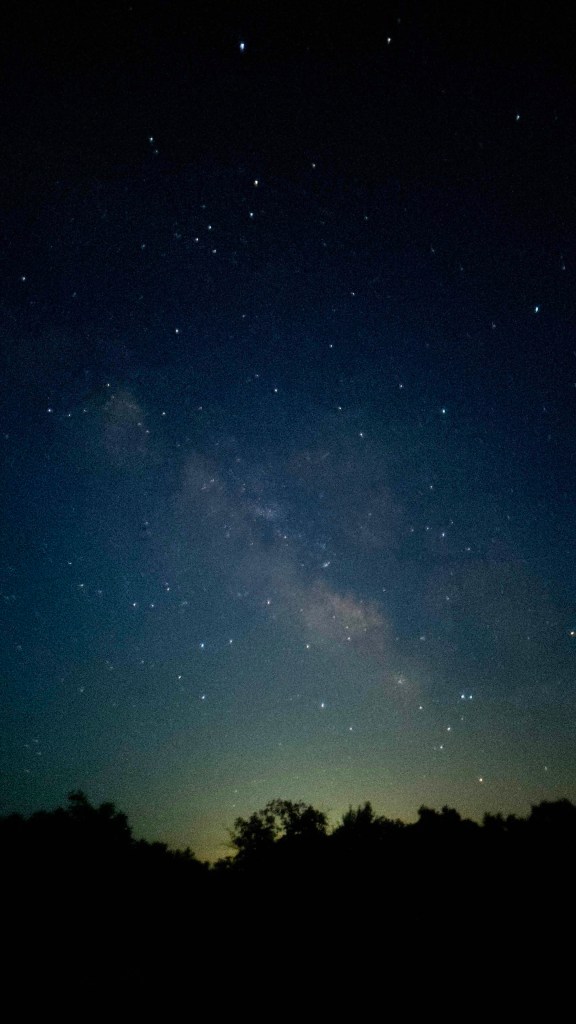
fully see. With longer exposures, my photographs revealed much more of the Milky Way, including dense fields of stars, subtle variations in brightness, and the cloudy appearance created by countless distant stars and regions of interstellar dust.
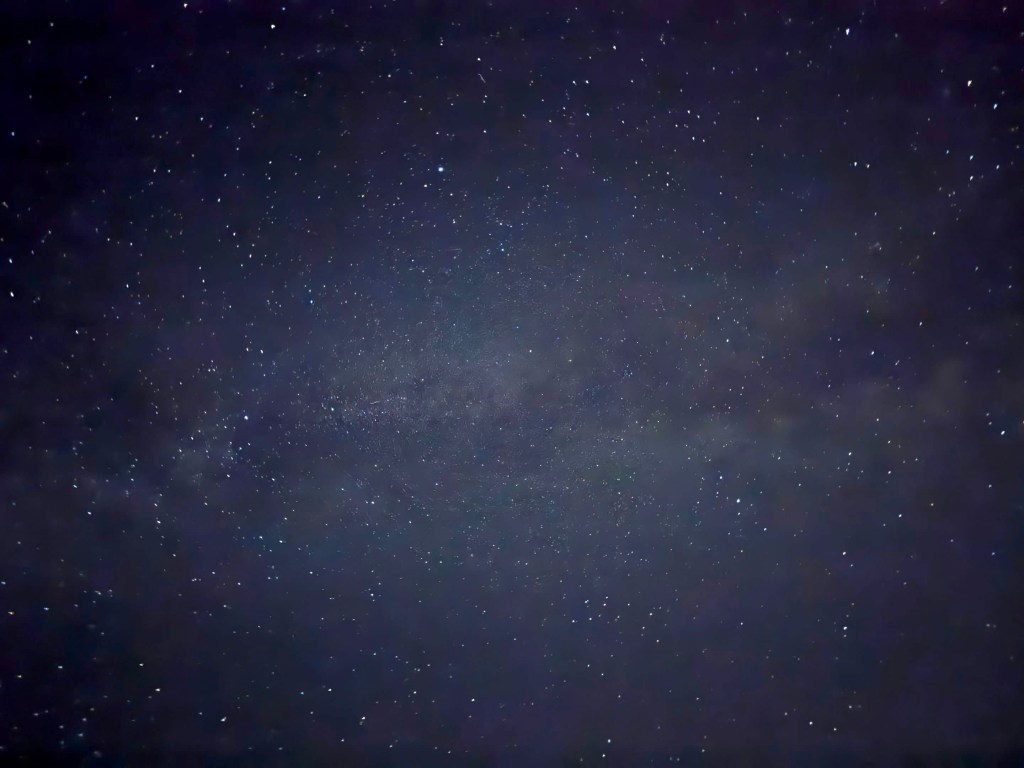
One of my favorite things about astrophotography is how a camera can reveal details that are difficult to see with our eyes alone. Every image becomes both a photograph and a small observation of the universe.
Visiting Dye Creek Preserve also reminded me why dark sky environments are so important. Light pollution does more than make it difficult to photograph the stars. It changes the way we experience the night sky. Under a genuinely dark sky, the Milky Way becomes part of the landscape rather than something we see only in astronomy books and photographs.
Standing there with my camera beneath our galaxy was a beautiful reminder of why I became interested in astronomy in the first place.
Sometimes, the best way to understand how extraordinary the universe is simply to find a dark place, look up, and let your camera keep its eyes open a little longer than you can. 🌌📷


Leave a Reply