stars
-
The Heliosphere: Our Solar System’s Invisible Bubble
Look closely at the night sky and you might imagine the Solar System as a collection of planets orbiting in empty space. But the Sun reaches much farther than its visible light. Streaming outward from the Sun is a constant… Continue reading

-
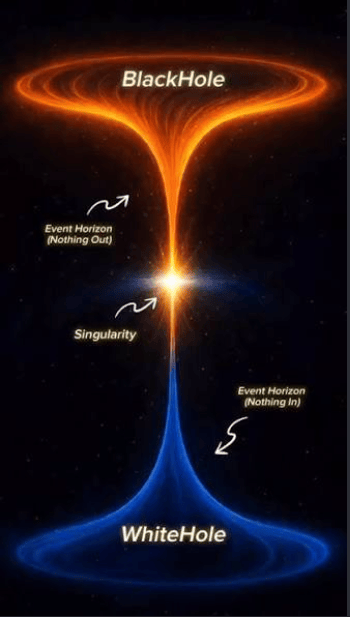
Black-to-White-Hole Transitions in Quantum Gravity: A Narrative Review of the Rovelli Framework and the Information Paradox
After months of research, writing, and revision, I’m grateful to see my research paper, “Black-to-White-Hole Transitions in Quantum Gravity: A Narrative Review of the Rovelli Framework and the Information Paradox.” published in the American Journal of Student Research (AJSR), Vol.… Continue reading
-
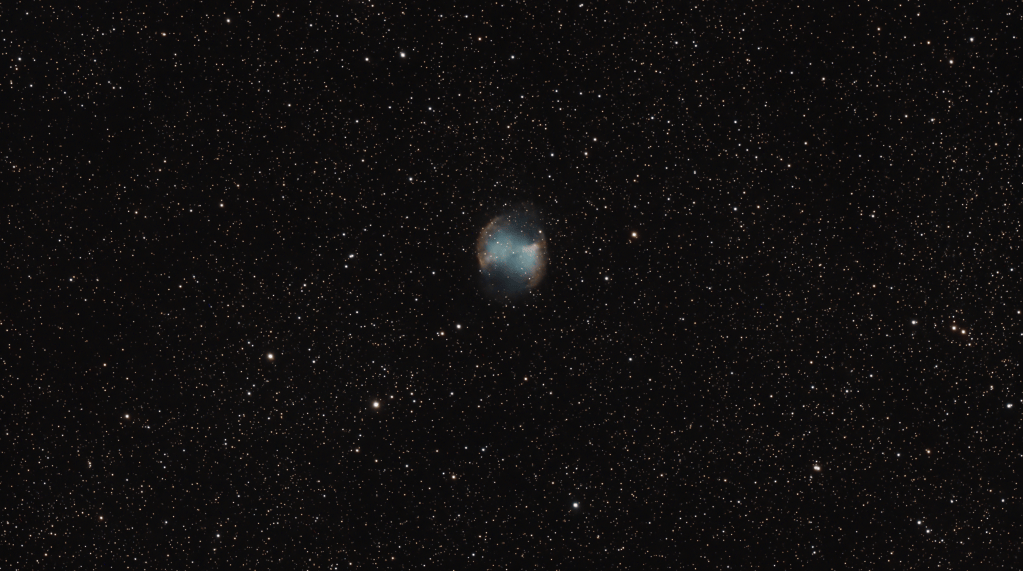
Capturing the Dumbbell Nebula: A Glimpse into the Future of Our Sun
One of the things I love most about astronomy is that looking through a telescope is also a way of looking through both space and time. Recently, I photographed the Dumbbell Nebula (Messier 27, or M27) using my Celestron Origin… Continue reading
-
Roman, Hubble, and Webb: Three Telescopes, Three Ways of Seeing the Universe
A new eye on the universe has begun its journey. On August 30, 2026, at 7:26 a.m. EDT, NASA’s Nancy Grace Roman Space Telescope lifted off from Launch Complex 39A at Kennedy Space Center in Florida aboard a SpaceX Falcon… Continue reading

-
Measuring Civilizations on a Cosmic Scale: KARDASHEV SCALE
When we think about advanced civilizations, it’s easy to imagine spaceships, futuristic cities, or aliens from science fiction. But astronomers have a much more interesting way of thinking about technological progress: the Kardashev Scale. Proposed by Soviet astronomer Nikolai Kardashev… Continue reading

-
BOOK REVIEW: Take Me to Your Leader by Neil deGrasse Tyson
Book Review: Take Me to Your Leader by Neil deGrasse Tyson As someone who loves astronomy and spends a lot of time thinking about what might exist beyond Earth, I really enjoyed Take Me to Your Leader by Neil deGrasse… Continue reading

-
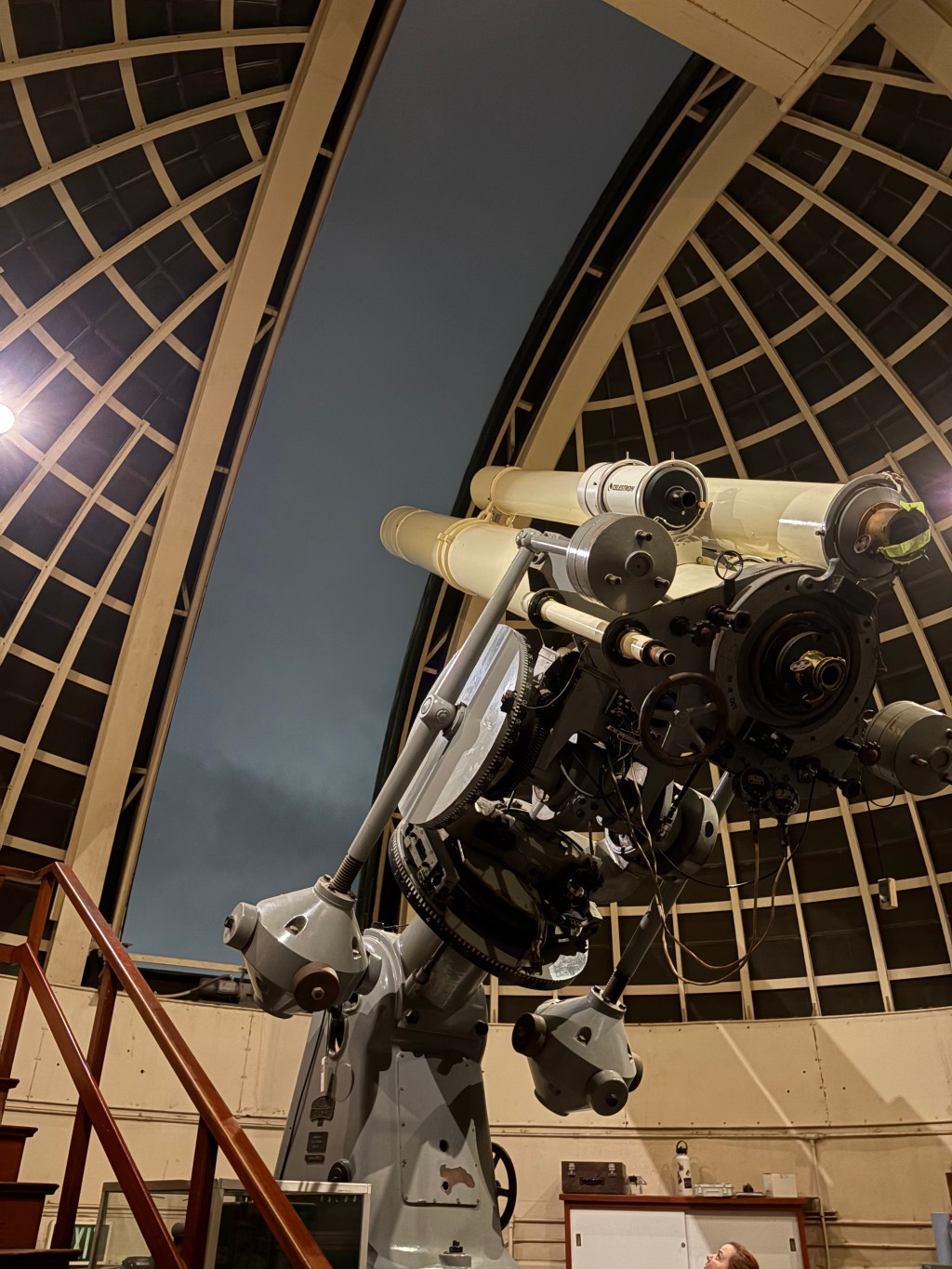
Inside Griffith Observatory
This Friday night, I visited Griffith Observatory in Los Angeles, and it was an amazing experience. Even without observing the night sky directly, the visit was full of interesting science and technology. One of the highlights was the observatory’s historic… Continue reading
-
A Star Disappears: New Black Hole Insights from the Simons Foundation’s Flatiron Institute
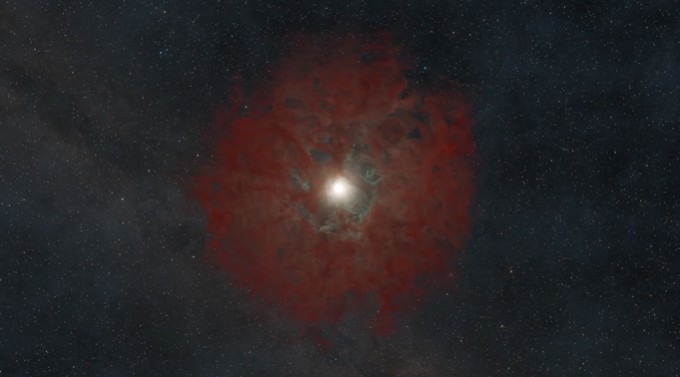
What if a massive star simply vanished? Not in a brilliant supernova explosion.Not in a cosmic blaze of glory.But quietly. Astronomers have just witnessed exactly that. A team led by Kishalay De at the Simons Foundation’s Flatiron Institute discovered that… Continue reading
-
When the Lights Go Out: A Timeline to the End of the Universe
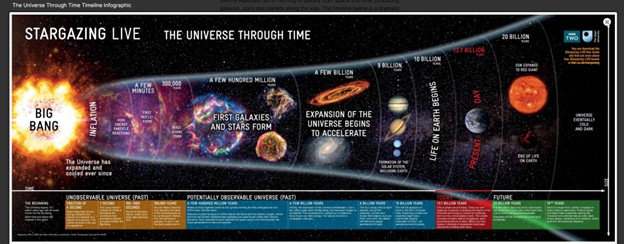
When we look up at the night sky, it feels eternal. The stars seem steady and permanent, as if they have always been there and always will be. But cosmology tells a very different story. Scientists have outlined a possible… Continue reading
-
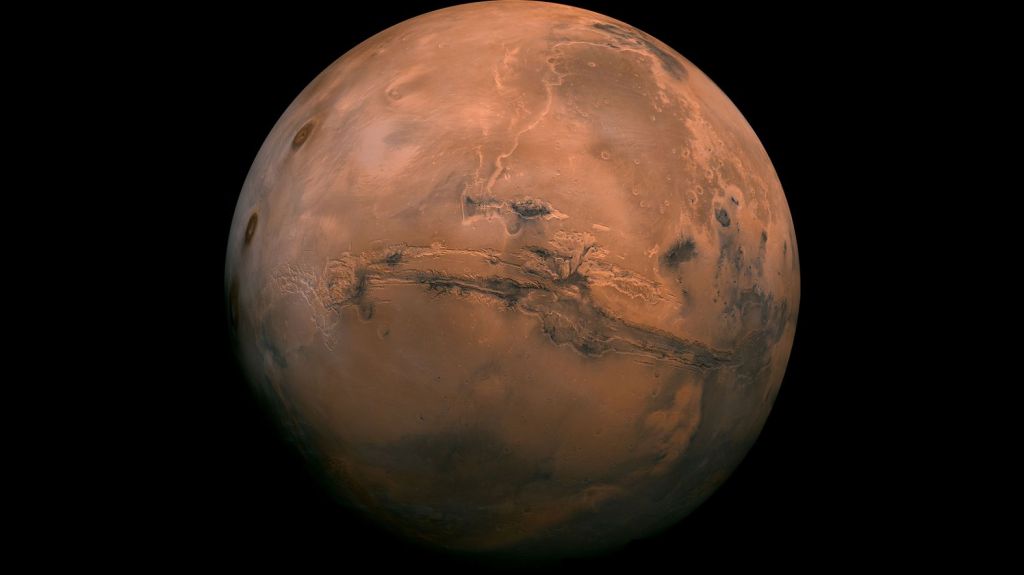
Breakthroughs of 2025: Astrobiology: Searching for Life on Mars
Did NASA’s Perseverance Rover Discover Signs of Ancient Life on Mars? In 2025, one of the most exciting moments in astrobiology came from NASA’s Perseverance rover as it continued exploring Mars. While studying Jezero Crater, a region that once contained… Continue reading