astronomy
-
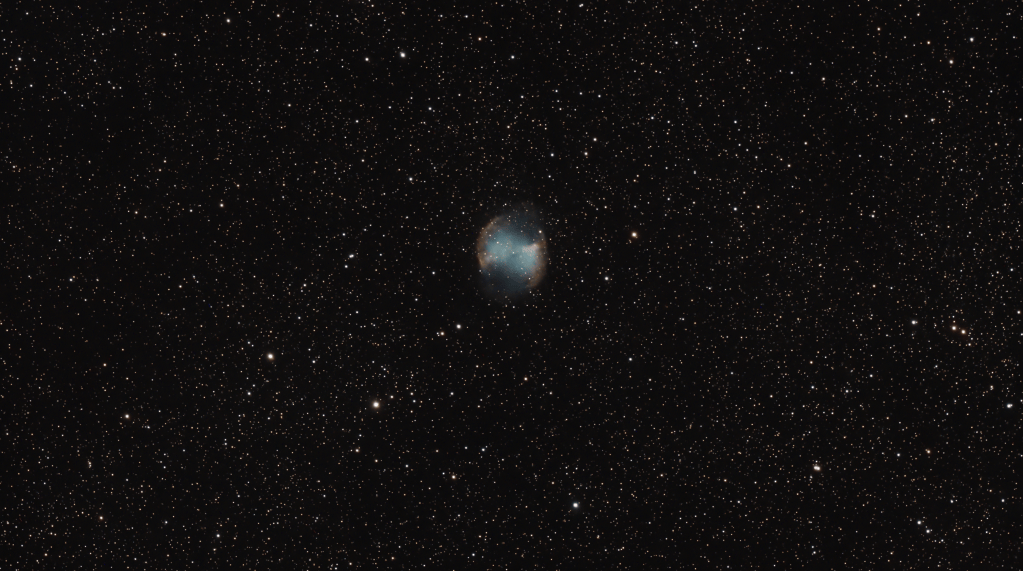
Capturing the Dumbbell Nebula: A Glimpse into the Future of Our Sun
One of the things I love most about astronomy is that looking through a telescope is also a way of looking through both space and time. Recently, I photographed the Dumbbell Nebula (Messier 27, or M27) using my Celestron Origin… Continue reading
-
Roman, Hubble, and Webb: Three Telescopes, Three Ways of Seeing the Universe
A new eye on the universe has begun its journey. On August 30, 2026, at 7:26 a.m. EDT, NASA’s Nancy Grace Roman Space Telescope lifted off from Launch Complex 39A at Kennedy Space Center in Florida aboard a SpaceX Falcon… Continue reading

-
Measuring Civilizations on a Cosmic Scale: KARDASHEV SCALE
When we think about advanced civilizations, it’s easy to imagine spaceships, futuristic cities, or aliens from science fiction. But astronomers have a much more interesting way of thinking about technological progress: the Kardashev Scale. Proposed by Soviet astronomer Nikolai Kardashev… Continue reading

-
BOOK REVIEW: Take Me to Your Leader by Neil deGrasse Tyson
Book Review: Take Me to Your Leader by Neil deGrasse Tyson As someone who loves astronomy and spends a lot of time thinking about what might exist beyond Earth, I really enjoyed Take Me to Your Leader by Neil deGrasse… Continue reading

-
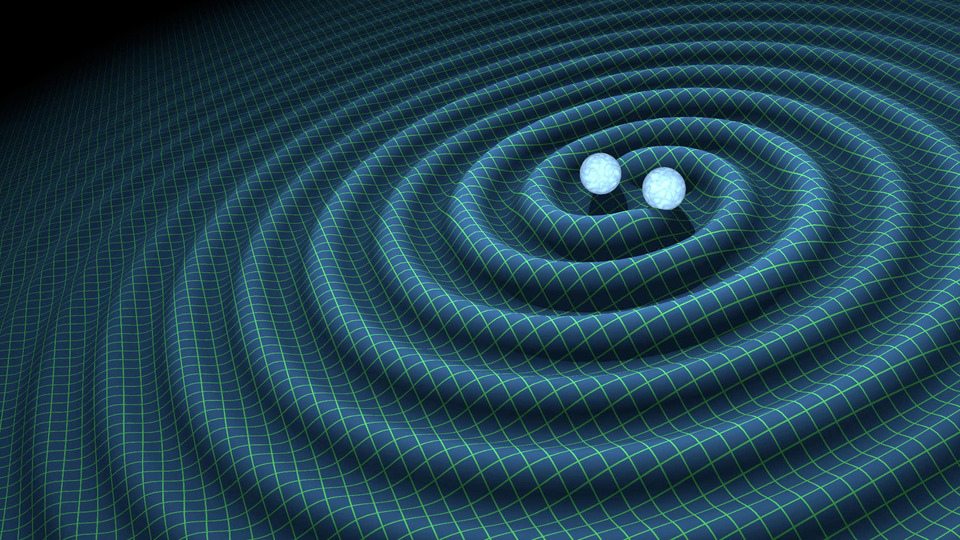
Listening to the Universe: Gravitational Waves — How LIGO Detects Them
For centuries, astronomers have explored the universe by observing light. Telescopes have allowed us to see planets, stars, galaxies, and nebulae. But what if we could study the universe without relying only on light? Today, scientists can do exactly that… Continue reading
-
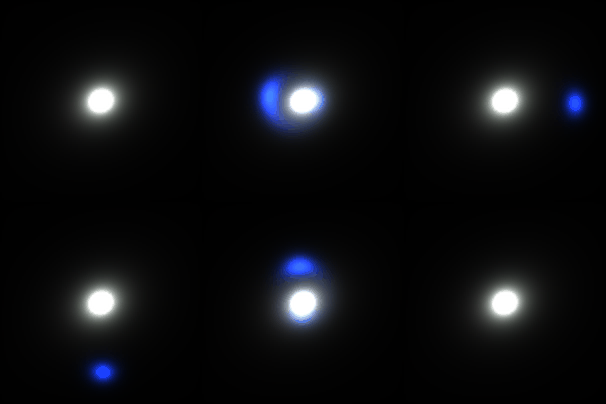
Space Warps: Seeing the Universe Bend
What does it really mean for gravity to bend light? According to Einstein’s theory of General Relativity, massive objects such as stars and galaxies do not simply exist in space. They curve spacetime itself. When light from a distant galaxy… Continue reading
-
Echoes from a White Hole
My Book Is Now Published on Amazon! I’m so excited to share that my second book, Echoes from a White Hole, is now officially published on Amazon! This project started as a question that wouldn’t leave me alone:What if information… Continue reading
-
WHAT IS TIME REALLY?
What is time? It feels like something simple we use every day, but when you really think about it, it becomes much more mysterious. Does time have a beginning? Does it flow the same everywhere? And where is it actually… Continue reading
-
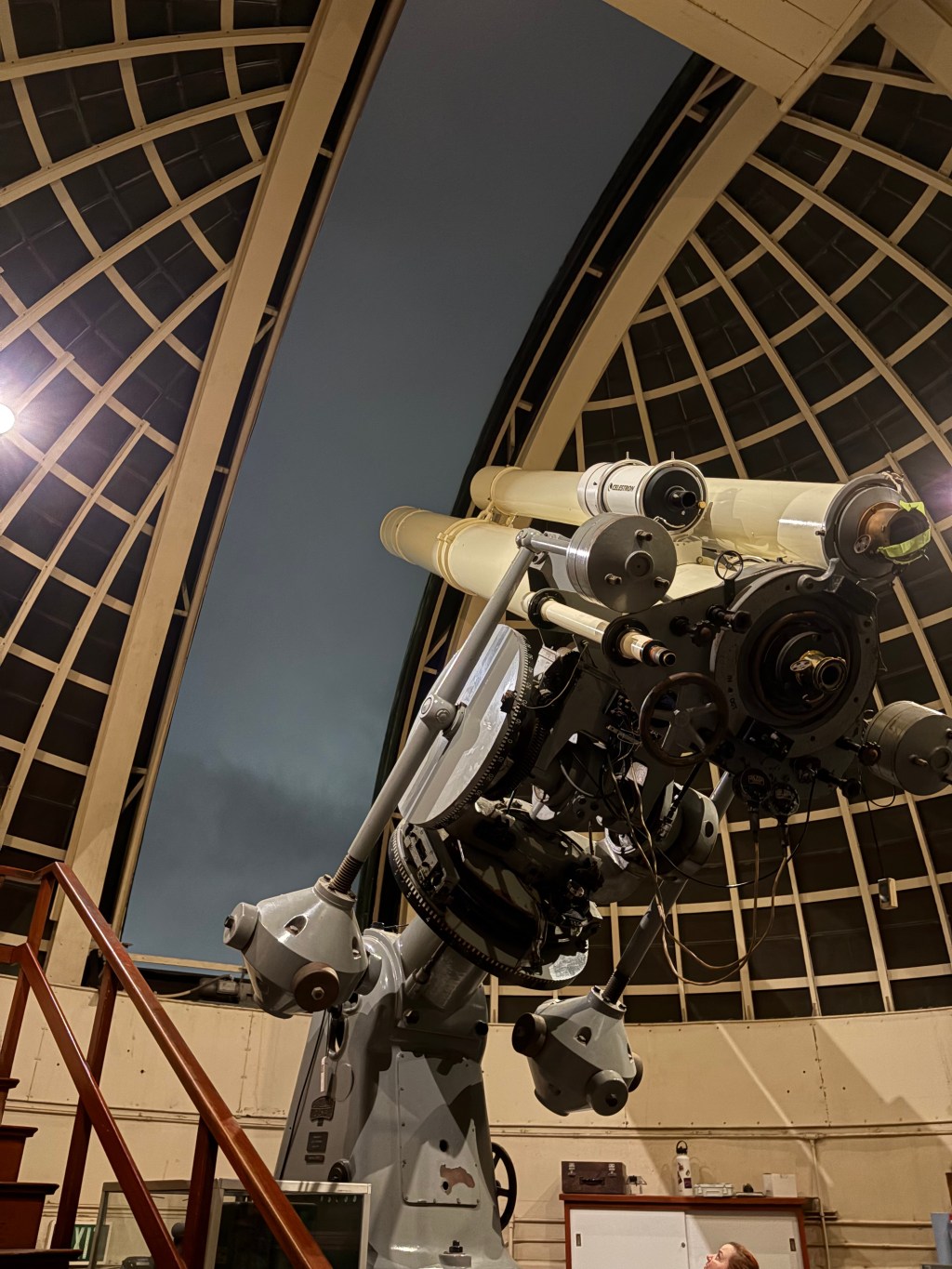
Inside Griffith Observatory
This Friday night, I visited Griffith Observatory in Los Angeles, and it was an amazing experience. Even without observing the night sky directly, the visit was full of interesting science and technology. One of the highlights was the observatory’s historic… Continue reading
-
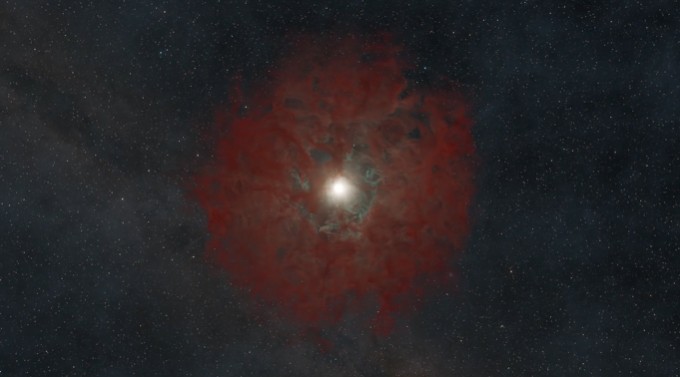
A Star Disappears: New Black Hole Insights from the Simons Foundation’s Flatiron Institute
What if a massive star simply vanished? Not in a brilliant supernova explosion.Not in a cosmic blaze of glory.But quietly. Astronomers have just witnessed exactly that. A team led by Kishalay De at the Simons Foundation’s Flatiron Institute discovered that… Continue reading
 SCIENCE WITH LARA