
The discovery of exoplanets—planets orbiting stars beyond our solar system—has expanded our understanding of the potential diversity of life in the universe. While Earth-like conditions are often considered ideal for life, the vast array of exoplanetary environments suggests that life, if it exists elsewhere, could take on forms adapted to a variety of conditions.
Earth-Like (Carbon-Based) Life
On planets with conditions similar to Earth—moderate temperatures, liquid water, and an atmosphere—life might resemble terrestrial organisms. This could range from simple microorganisms to complex
multicellular entities. For instance, the TRAPPIST-1 system, located about 40 light-years away, contains several Earth-sized planets in the habitable zone, making them prime candidates in the search for life.
Extremophiles
Life on Earth has been found in extreme environments, suggesting that organisms could thrive under conditions previously thought uninhabitable. Exoplanets with harsh environments might host extremophiles such as:
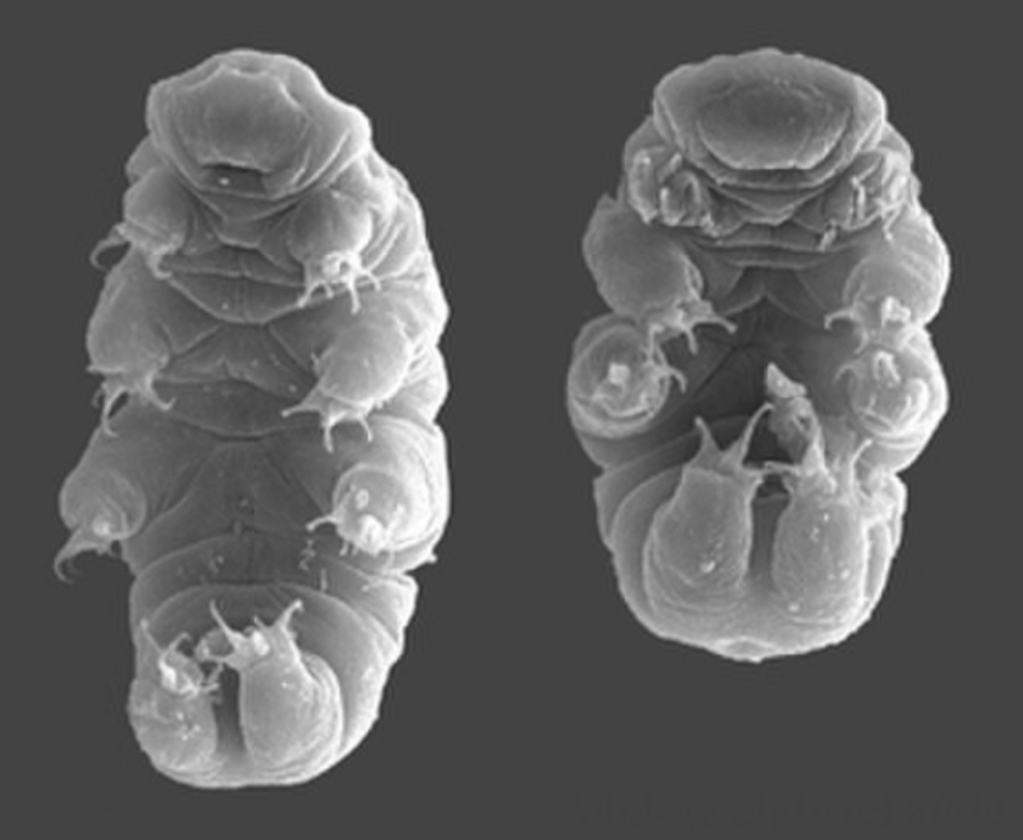
Thermophiles: Organisms that thrive at high temperatures, possibly existing on planets with intense volcanic activity. 
Psychrophiles: Life forms that prefer extremely cold environments, which could be found on icy exoplanets or moons. 
Acidophiles: Microbes that live in highly acidic conditions, potentially inhabiting planets with acidic atmospheres.
Alternative Biochemistries
While carbon-based life is the only form known to us, scientists speculate about the possibility of life based on alternative chemistries. One example is silicon-based life. Silicon, like carbon, can form complex molecules. In environments with high temperatures and pressures, silicon-based life forms might emerge, though this remains hypothetical.
Subsurface Life
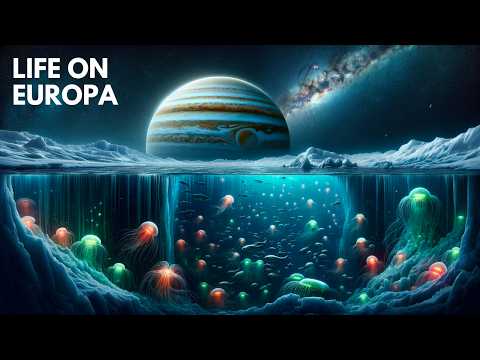
Some exoplanets or moons may harbor subsurface oceans beneath ice crusts, providing stable environments shielded from harsh surface conditions. For example, Jupiter’s moon Europa and Saturn’s moon Enceladus have subsurface oceans and are considered potential habitats for life.
Gas Giant Inhabitants
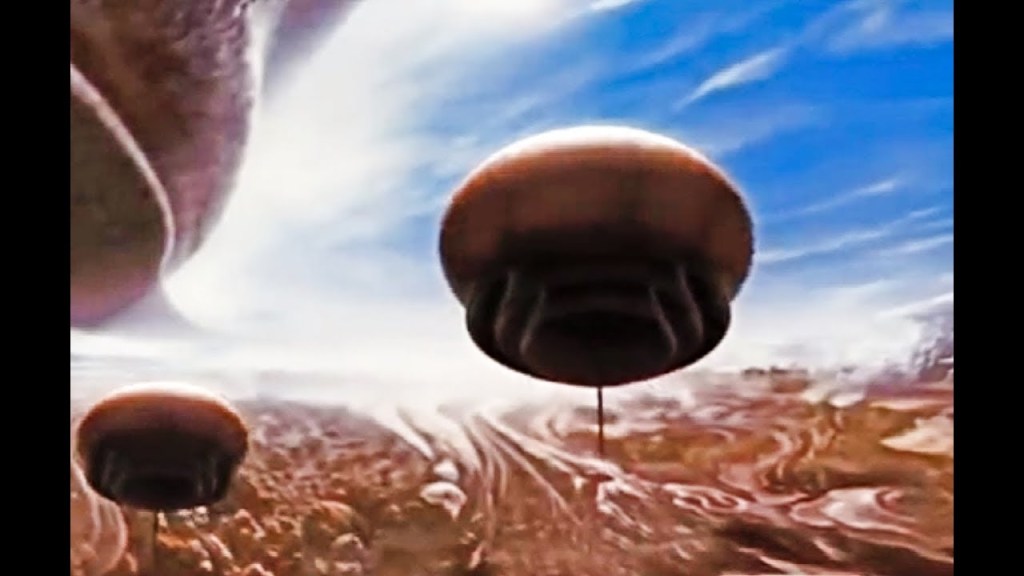
The dense atmospheres of gas giants could, in theory, support life forms adapted to floating or aerial existence. These hypothetical organisms might resemble massive balloon-like entities, sustained by buoyant gases.
Challenges in Detection
Identifying life on exoplanets is a formidable challenge. Scientists rely on indirect methods, such as analyzing atmospheric compositions for biosignatures—chemical indicators of life. The James Webb Space Telescope (JWST) and other advanced observatories are enhancing our ability to detect these signs.
In summary, the potential types of life on exoplanets are as diverse as the planets themselves. As our detection methods improve, we move closer to answering the profound question of whether we are alone in the universe.
For visual representations and further information on exoplanets and the search for extraterrestrial life, you may explore the following resources:
- Exoplanet Exploration Program Gallery: A collection of images and illustrations related to exoplanet discoveries.
- ESO Exoplanet Image Archive: A repository of images captured by the European Southern Observatory.
- Eyes on Exoplanets: An interactive 3D visualization tool by NASA’s Jet Propulsion Laboratory.
These resources offer a glimpse into the fascinating and diverse worlds beyond our solar system.

 SCIENCE WITH LARA
Leave a comment